 Skip to main content
Understanding the UK Carbon Border Adjustment Mechanism (CBAM) is essential for businesses trading in carbon-intensive goods. This guide explains what CBAM is, who it affects, key timelines, and how exporters can protect market access, revenue, and competitiveness.
What is CBAM?
The Carbon Border Adjustment Mechanism (CBAM) is a policy designed to ensure a level playing field for industries by placing a fair carbon price on imported goods and preventing carbon leakage, where carbon-intensive industries relocate production to countries with weaker climate regulations.
CBAM adds a cost to imports based on the carbon emissions released during production. This ensures fair competition between EU businesses that already face carbon pricing and non-EU producers who don’t.
For UK exporters, CBAM is more than just another compliance requirement. Done well, it can protect market access, revenue, and trading relationships. Done badly, it risks higher costs, reputational damage, and loss of competitiveness.
Why is CBAM being introduced?
Without CBAM, there’s a risk that industries shift production abroad to avoid climate policies, which would actually increase global emissions. CBAM closes that gap by:
- Encouraging foreign producers to cut emissions
- Protecting domestic industries from unfair competition
- Driving a worldwide shift towards cleaner production
The EU’s full CBAM rules come into force in January 2026, with the UK introducing its own version by 2027.
Who is affected?
CBAM applies to a defined list of carbon-intensive goods imported into the EU:
- Steel and iron
- Aluminium
- Cement
- Fertiliser
- Hydrogen
- Electricity (EU CBAM only)
UK exporters of these goods must understand their obligations now. Transitional reporting has already begun.
What emissions are covered?
CBAM obligations apply across the carbon footprint of imported goods:
- Scope 1: Direct emissions from production (e.g. fuel burned on site)
- Scope 2: Indirect emissions from purchased electricity, heat or steam
- Scope 3 (selected): Certain upstream emissions from precursor products used in manufacturing
This wide scope means supply chain data and accurate reporting are critical.
The implications for global trade
CBAM won’t just add costs; it could reshape supply chains worldwide. Industries may:
- Invest in cleaner technologies to avoid the border tax
- Shift production to regions with stricter climate rules
- Face disputes over how emissions are calculated
But there are also opportunities. Countries and businesses that lead in low-carbon production stand to gain competitiveness, attract investment, and strengthen trading relationships.
Challenges for businesses
Businesses face the complex task of tracking and calculating emissions across supply chains. This raises major questions about the quality and availability of data, as inaccurate reporting could lead to penalties and reputational damage.
CBAM is seen by some countries as a barrier to trade, meaning businesses may face additional risks beyond compliance.
How UK businesses can prepare
UK exporters should act now to minimise risks and turn CBAM into a strategic advantage. Key steps include:
- UK exporters should act now to minimise risks and turn CBAM into a strategic advantage. Key steps include:
1. Engage your supply chain: Gather accurate emissions data and identify risks.
2. Reduce emissions where possible: Cleaner processes will reduce future liabilities.
3. Assess your carbon footprint: Understand you Scope 1, 2 and relevant Scope 3 emissions.
4. Stay informed: EU rules apply from January 2026, with UK CBAM following in 2027.
5. Get expert support: Navigating CBAM is complex, but doing it well protects your market share and future growth. Working with a team of consultants who understand CBAM, compliance and the bigger picture of what it all means for your business is important.
CBAM is more than a compliance exercise. It’s a signal of where global trade is heading: carbon transparency and accountability will increasingly determine competitiveness.
For UK exporters, treating CBAM as a strategic opportunity should be at the forefront of your planning, if not, you risk EU market access, competitiveness, and revenue.
Categories
Tags
Share this article
Explore our Compliance services:
BICS – the British Industry Competitiveness Scheme
Understand BICS, the new British Industry Competitiveness Scheme, electricity discounts for UK Manufacturers in IS-8 and foundational sectors
Discover moreCompensation Schemes
Major energy users cannot afford to miss out on key savings from compensation schemes such as Energy Intensive Industry discounts (EII), climate change agreements (CCA), and the Min-Met CCL Exemption Scheme. Our experts are adept at securing qualification for these schemes – often where others have said it isn’t possible.
We can help you with:
Exemptions for Energy Intensive Industries (EII) | Climate Change Agreements (CCA) | Min-Met CCL Exemption Scheme
Regulatory & Reporting Requirements
Nobody knows the regulatory landscape better than our specialist team. They are genuine experts, who take care over the details – when it comes to compliance that’s important and will ensure you will reap the optimum benefits.
Discover more

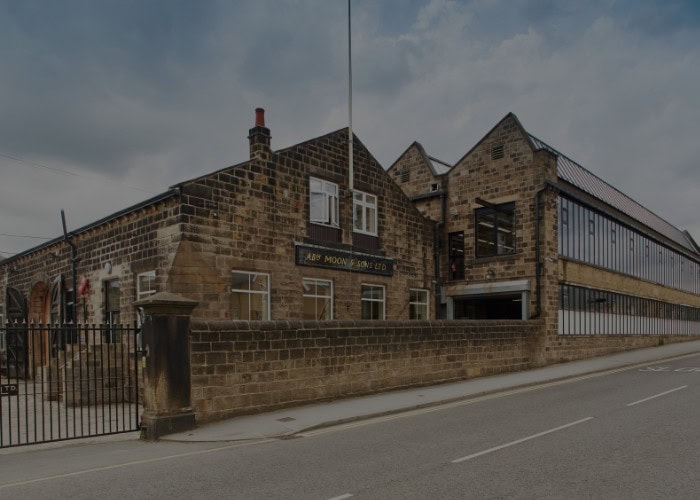
Abraham Moon
Envantage was recommended to Abraham Moon as a trusted energy and carbon consultancy partner. What began as support around Climate Change Agreements (CCA) and regulatory compliance quickly evolved into a joined-up programme covering carbon strategy, energy efficiency, procurement, and internal capability building.
Discover moreSubscribe to receive exclusive content and industry insights from our team of carbon and business energy experts, and our Daily & Monthly Market Updates.