 Skip to main content
UK energy markets have seen sharp price movements in 2025. This article, written by Envantage’s energy trading expert Meri Bortsvadze, breaks down the causes of this volatility and explains how businesses can use recent trends to make smarter energy purchasing decisions.
UK and European energy markets have been experiencing significant volatility since the start of 2025 on the back of cold snaps, looming supply uncertainties following the end of Ukrainian transit agreement, geopolitical developments in Eastern Europe, rapidly depleting gas storage inventories, and most recently, the introduction of the U.S. tariffs.
Prices surged to two-year highs in mid-February before sharply falling in April, highlighting the unpredictable nature of today’s market.
The new year began with a slight decrease in prices due to mild weather and strong renewable energy generation. However, this brief downward trend reversed as market sentiment turned bullish in response to escalating tensions in Eastern Europe. Ukrainian attacks on Russian gas infrastructure and reduced nuclear output due to both planned and unplanned maintenance heightened supply concerns.
Cold Weather and Supply Disruptions Drive Price Spikes
Colder-than-average temperatures across the continent accelerated gas storage withdrawals, increasing fears about a tight supply-demand balance in the months ahead. The situation was worsened by unplanned outages at Norwegian gas processing plants and the shutdown of the Freeport LNG facility in Texas due to freezing conditions, both events pushing prices higher through January.
In February, both near-term and longer-dated contracts saw steady gains. However, prices fell sharply in the second half of the month following tentative progress towards creating a lasting ceasefire in Ukraine, which eased risk premiums in power and gas contracts. The downward momentum was also accompanied by revisions to weather forecasts, showing temperatures climbing to above seasonal normal levels, which helped reduce demand in Local Distribution Zones (LDZ).
Tariffs, Trade Fears, and Global Demand
The first half of April saw a significant sell-off, triggered by the introduction of U.S. reciprocal tariffs on imported goods. Fears of a global trade war, a potential economic slowdown, and reduced industrial demand pushed energy prices lower, with Brent crude oil falling to a four-year low.
President Trump’s later decision to suspend the application of tariffs higher than 10% and the agreement between the US and China to reduce tariffs by 115% for a period of 90 days to allow time for negotiations, paused the sharp downward movement; however, the market remains cautious amid geopolitical uncertainty.
EU Storage Reforms Bring Some Relief
Markets responded positively to new measures made by the European Parliament to relax the EU’s gas storage targets. The current 90% filling target by 1st November, caused concerns as it was seen to inflate summer prices, disincentivising shippers from booking storage capacity as it reduced arbitrage opportunities within the market. A revised plan now suggests a more flexible 83% target, achievable between 1st October and 1st December, with a 4% deviation allowed during high-price periods. Overall storage must remain above 75% ahead of winter.
What does this mean for your energy purchasing strategy?
In the coming months, global trade and supply chain disruption will be the key bearish drivers, potentially slowing global economic activity and reducing overall energy demand. However, significant policy uncertainty remains, and the market could shift quickly in response to geopolitical developments.
For businesses with flexible energy contracts with exposed positions over the medium term may wish to take advantage of the relatively low market levels to accelerate their hedging strategies and protect their positions from supply risks in case tariffs are fully revoked.
Additionally, the current backwardation—where longer-dated contracts are priced lower than near-term ones—offers a strategic opportunity. Businesses could lock in future energy costs at discounted rates, particularly with the expected increase in LNG supply from 2026 onwards.
Envantage will always stay up to date with the ever-changing energy news, as and when it happens. Want more? You can explore our previous outlooks and catch up on the latest energy news and insights here.
Categories
Tags
Share this article
Explore our Procurement services:
Day One Fix contracts
Day One Fix contracts are designed to give businesses clarity and cost savings, without the complexity of managing market risks,
Discover moreFlexible Energy Baskets
Energy Baskets enable businesses to access the most competitive rates, by combining purchasing power. Envantage’s experts will help you to access the benefits of flexible purchasing, unlocking valuable savings for your business.
Discover moreFlexible Energy Purchasing
With the right flexible procurement strategy, it’s possible to align the control of your energy costs to your long-term business planning. Our expert consultants will help you to take advantage of the energy markets, bringing valuable insights on how they can work for your business.
Discover moreFixed Price Energy Contracts
A fixed approach can be a good choice to secure strong budgetary control if your energy consumption is predictable. With energy prices fluctuating from season to season, month to month and day to day, engaging with our experts early on maximises your chances of achieving the best fixed rate for your organisation.
Discover moreProcurement Strategy Review
Our expert consultants have the knowledge and experience to quickly and clearly identify an optimum approach to energy purchasing that fits with your appetite for risk and long-term goals.
Discover more
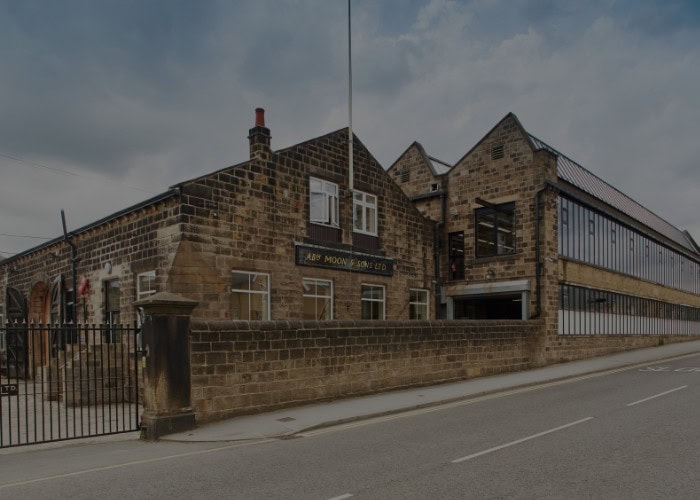
Abraham Moon
Envantage was recommended to Abraham Moon as a trusted energy and carbon consultancy partner. What began as support around Climate Change Agreements (CCA) and regulatory compliance quickly evolved into a joined-up programme covering carbon strategy, energy efficiency, procurement, and internal capability building.
Discover moreSubscribe to receive exclusive content and industry insights from our team of carbon and business energy experts, and our Daily & Monthly Market Updates.